

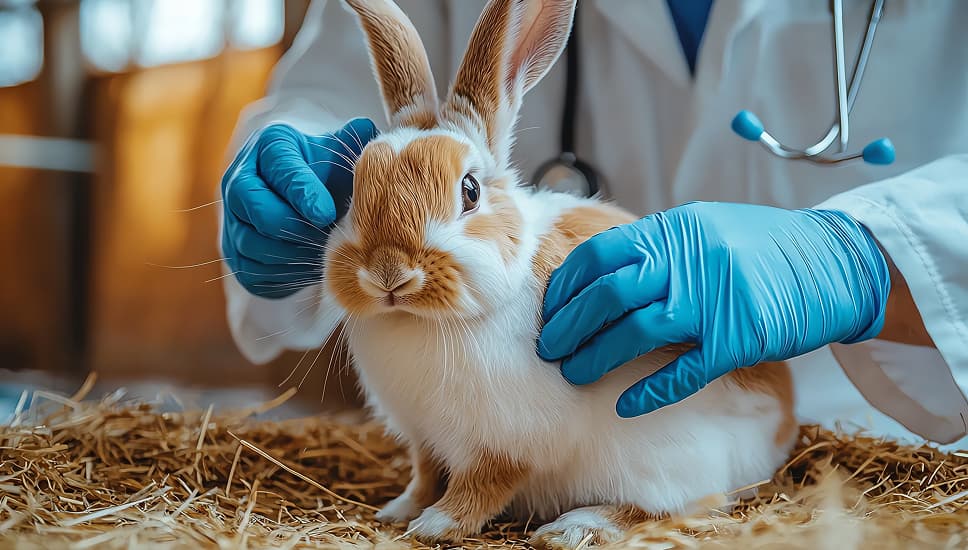
Dirt, debris, and loose fur can build up in your pet’s coat and lead to matting, hot spots, and skin care. Grooming removes these irritants and allows your pet’s Overgrown nails can cause pain, posture problems, and even joint issues in both dogs and cats. If your they need a trim
Brushing regularly also helps:
- Distribute natural oils throughout the coat
- Stimulate blood circulation
- Prevent painful mats, especially in long-haired breeds like Shih Tzus or Golden Retrievers
2. Nail Trimming Is More Than Cosmetic
Overgrown nails can cause pain, posture problems, and even joint issues in both dogs and cats. If your pet’s nails “click” on the floor, it’s a sign they need a trim.. Adaptive reuse is a powerful approach to architecture that combines historical preservation with modern innovation.
By embracing this practice, architects can create unique and sustainable spaces that honor the past while looking to the future.
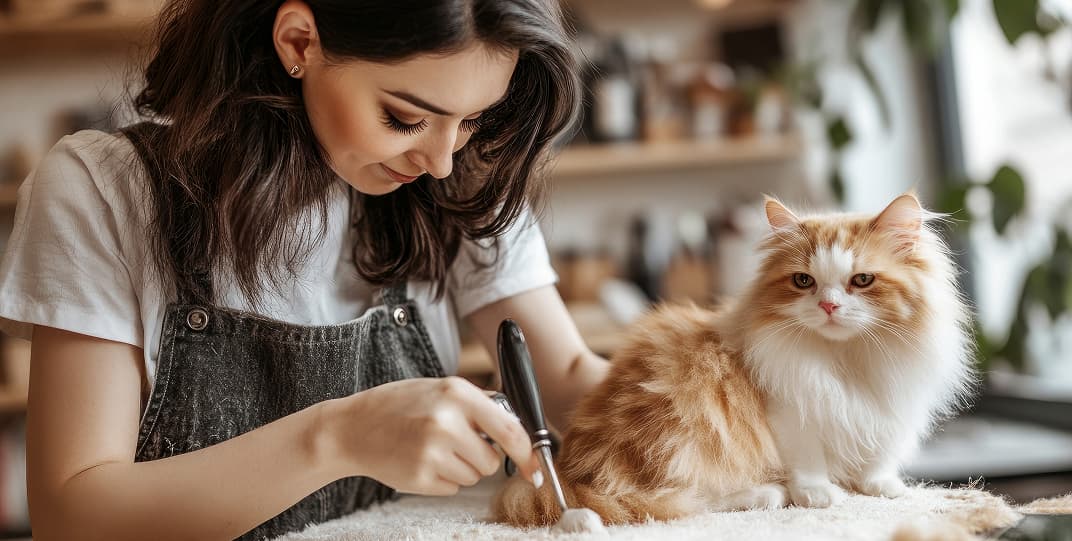
3. Ear Cleaning and Dental Hygiene Help Prevent Infections
Just like humans, pets need regular care for their ears and teeth.
- Dirty ears can lead to yeast or bacterial infections, especially in floppy-eared breeds like Cocker Spaniels.
- Neglected teeth can cause plaque buildup, gum disease, and bad breath.
A grooming appointment is a great time to check ears and freshen up that smile!
“Pet grooming isn’t just about appearances — it’s an essential part of your pet’s wellness. Regular grooming keeps your pet healthy, comfortable, and happy. Plus, it’s a great way to bond and show your love..”
Michel Clarck
4. Grooming Reduces Stress and Builds Trust
Repurposing existing structures is an environmentally sustainable practice, reducing the need for new construction and minimizing waste. Successfully adapting old buildings involves integrating modern amenities and technologies while respecting the building’s historical integrity. This balance creates functional and aesthetically pleasing spaces.
Upgrading older buildings with energy-efficient systems, such as HVAC and insulation, improves their performance and reduces their environmental impact, making them suitable for modern use.
5. A Freshly Groomed Pet A Happy Home
Adaptive reuse is a powerful approach to architecture that combines historical preservation with modern innovation. By embracing this practice, architects can create unique and sustainable spaces that honor the past while looking to the future.
Reuse involves repurposing old buildings for new uses, preserving historical value while meeting modern needs. This post explores the benefits and challenges of adaptive reuse in architecture.
The restoration process was meticulous. I spent hours researching period-appropriate colors and materials. Sourcing vintage furniture became a delightful treasure hunt, and I often found myself lost in the charm of local flea markets. Every piece I selected felt like a conversation with the past, and each room began to tell a story.
As I unveiled the completed home, the clients were overwhelmed with emotion. We had not just renovated a house; we had resurrected a piece of history, blending the old with the new in a way that honored its legacy.